Bar & Bat Mitzvah
Crash Course of the Jewish Lifecycle
This milestone is one of the proudest in the life of Jewish parents. As one's children come of age, this is a serious time to think about doing it right.
Bar and Bat Mitzvah
Bar and Bat Mitzvah - FAS
What is the precedent for celebrating a Bar and Bat Mitzva?
The Mishna in Avos 5:21 teaches that at the age of 13 a boy enters the stage of mitzvos.
שׁׁמֹוֹות, ֶּבֶּבן ֲחֲח ֵֵצְְמִּלה ַַרֵֵשׂלׁשׁש ֶעֶע ְשׁה, ֶּבֶּבן ְנָָשְׁמִּלשר ַַׂא, ֶּבֶּבן ֶעֶע ֶרָקְְמִּלים ַַנִשׁׁשׁש ָמֵֵחר, ֶּבֶּבן ָמה אֹוֹו ֵֵיָהה ּוא ָ
יםעִבָּרְא, ֶּבֶּבן ַחֹּכֹּכ ַלים ַַשׁל ִשֹּׁדֹּדף, ֶּבֶּבן ְרְלים ִרִשׂה, ֶּבֶּבן ֶעֶע ְפָָּחֻלה ַַרֵֵשֹׂמ ֶנה ֶעֶע ְשׁמ ּוד, ֶּבֶּבן ְלְתַּלה ַַרֵֵשֶׂעֶע ְ יםעִשְׁתּה, ֶּבֶּבן ִרב ּו ָגְְּלים ַַנֹמ ִשׁה, ֶּבֶּבן ְבי ָשֵּׂלים ַַעִבְשׁה, ֶּבֶּבן ִנָָקְְזִִּלים ַַשִּׁשׁה, ֶּבֶּבן ִצָעֵלים ָשִּׁמה, ֶּבֶּבן ֲחֲח ִני ָָבִּלַַ
:םלעֹוֹו ָהן ָמל ִטֵֵבר ּו ָבַעָות ְמּל ּו ֵֵאִכּה ְאָמ, ֶּבֶּבן ֵֵחׁשׁש ּו ַלָ He used to say: At five years of age the study of Scripture; At ten the study of Mishnah; At thirteen subject to the commandments; At fifteen the study of Talmud; At eighteen the bridal canopy; At twenty for pursuit [of livelihood]; At thirty the peak of strength; At forty wisdom; At fifty able to give counsel; At sixty old age; At seventy fullness of years; At eighty the age of “strength”; At ninety a bent body; At one hundred, as good as dead and gone completely out of the world.
The Midrash in Bereishis Rabba 63:10 by Yaakov and Esav, their father did all he could up till 13 years with them. Beyond that, he blesses to be free of the punishment for that son.
" יםרִעָנְּהל ּו ַדְּגְְיִּוַ " רבי לוי אמר משל להדס ועצבונית שהיו גדילים זה על גבי זה וכיון שהגדילו והפריחו זה נותן ריחו וזה חוחו כך כל י"ג שנה שניהם הולכים לבית הספר ושניהם באים מבית הספר לאחר י"ג שנה זה
.היה הולך לבתי מדרשות וזה היה הולך לבתי עבודת כוכבים
.א"ר אלעזר צריך אדם להטפל בבנו עד י"ג שנה מיכן ואילך צריך שיאמר ברוך שפטרני מעונשו של זה
What actually happens at the age of 12 and 13?
The gemara in TB Niddah 45b quotes the Mishna that at 12 a girl produces signs of puberty and at 13 a boy produces signs of puberty.
מתני׳ בת אחת עשרה שנה ויום א' נדריה נבדקין בת שתים עשרה שנה ויום א' נדריה קיימין
ובודקין כל שתים עשרה MISHNA: With regard to a girl who is eleven years and one day old, her vows are examined to ascertain whether she is aware of the meaning of her vow and in Whose name she vowed. Once she is twelve years and one day old and has grown two pubic hairs, which is a sign of adulthood, even without examination her vows are in effect. And one examines her vows throughout the entire twelfth year until her twelfth birthday.
בן שתים עשרה שנה ויום אחד נדריו נבדקין בן י"ג שנה ויום אחד נדריו קיימין ובודקין כל
1 Rabbi Ya’akov Trump
שלש עשרה With regard to a boy who is twelve years and one day old, his vows are examined to ascertain whether he is aware of the meaning of his vow and in Whose name he vowed. Once he is thirteen years and one day old and has grown two pubic hairs, even without examination his vows are in effect. And one examines his vows throughout the entire thirteenth year until his thirteenth birthday.
The Growing Child- Teenager (13 to 18 Years), Nationwide’s Children1
Boys start of puberty. Between 9½ and 14 years old.
Girls start of puberty. Between 8 and 13 years old.
Why does puberty matter in halacha?
The Maharil, Siman 51, explains that this is a Halacha L’Moshe Misinai – a tradition we received from Sinai.
חיים ושלום לאהובי הח"ר יעקב שי' מה שכתב מר מנלן דאין נקרא גדול עד י"ג שנה ודאי סמך
יש מזו יצרתם וגומ' ואין סומכין על זה דאסמכתא מדברי קבלה הוא. עוד שמעתי סמך מכדי רשעתו דדרשינן מיני' שליש מלפניו פי' כדי חיי רשעתו דהיינו י"ג שנה שליש ל"ט אלמא בן י"ג
בר רשעא הוא. וגם על זה סומכין דנימא רביעית מהאי טעמא או חציו אם לא נאמר דאי אפשר לחלק אלא לשליש. ואע"ג דאפשר לחלק לשביעיות. הא ודאי לאו בר עונשי' הוא דאינו
.ראוי לביאה עד ט'. וכתב ואם אין לאיש גואל ודרשינן מיני' דקטן אינו מוליד דלא נקרא איש והכי פירושו איש אתה צריך לחזור אחרי יורשיו ולא קטן דאפילו בר ט' אינו מוליד ומכל מקום אסמכתא הוא אלא העיקר מכח הילכתא כמו כל שיעורי' דהילכתא נינהו: וכן בן ט' לביאה ובן
י"ב לנדרים וי"ג לעונשים: ועשרים לשערו' ול"ו דהוי רוב שנותיו לסריסות: ובאשה בת ג' ובת י"א ובת י"ב כל הני הילכתא נינהו ככל שיעורין דאורייתא: ומה שתמהת דמענישי' על ההלכתא
מילתא טובא סמכינן אהלכתא בין למכות בין לעונשים בגרוגרות להוצאת שבת. רובו ומקיפין
חוצץ והוה טמא. ואי עביד מלאכה בשבת חייב. וכן אי עביד עבודה ואספרם מחול ירביון דוק ותשכח: וראיותיך משערות לאו מילתא היא דאדרבא זמן שערות תליא בגדלות דקודם הזמן לא
.הוה סימן ולמאן דאמר אפילו תוך הזמן אלא תרתי בעינן זמן ושערות או סימן דר"י כדלעיל
'ומה שהבאת מלוי. אכתי מנלן דפחות מי"ג לא הוה איש. ועוד דורו' הראשונות יולדו בח 'כדמוכח פרק בן סורר מבצלאל ובת שבע אלא הילכתא היא כדלעיל ותו לא מידי וש"ש כנ
:הקטן יעקב הלוי
Can a 13 year old boy do everything a man can do in halacha?
The gemara, TB Nidda 46a, explains that a 13-year-old boy who has not reached puberty is considered a minor still.
1 https://www.nationwidechildrens.org/conditions/health-library/the-growing-child-teenager- 13-to-18-years
2 Rabbi Ya’akov Trump
ועוד מתיב רבי זירא (במדבר ו ) איש כי יפליא לנדור נדר מה ת"ל איש לרבות בן י"ג שנה ויום
אחד שאע"פ שאינו יודע להפליא נדריו קיימין And furthermore, Rabbi Zeira raises an objection to the opinion that the development of signs indicating puberty during the time is equivalent to their development after the time. It is taught in a baraita which deals with the verse: “Speak to the children of Israel and say to them: When either man or a woman shall clearly utter a vow” (Numbers 6:2). What is the meaning when the verse states “man,” after it has already stated “the children of Israel”? This serves to include anyone who is thirteen years and one day old, that even if he does not know how to utter clearly and articulate the meaning of his statements, his vows are in effect.
ה"ד אי דלא אייתי שתי שערות קטן הוא אלא לאו דאייתי שתי שערות וטעמא דבן י"ג ויום
אחד הוא דהוה ליה איש הא תוך זמן כלפני זמן תיובתא Rabbi Zeira analyzes this baraita. What are the circumstances? If it is referring to a case where the boy has not yet developed two pubic hairs, then he is a minor, and the halakha with regard to him cannot be derived from the word “man.” Rather, is it not referring to a case where the boy has developed two pubic hairs? And by inference, the reason that he is considered a man due to his development of pubic hairs is that he is thirteen years and one day old, but if the boy developed two hairs during the time, it is considered as before the time. The Gemara concludes: This is indeed a conclusive refutation of the opinion of Rabbi Yoḥanan and Rabbi Yehoshua ben Levi that developing pubic hairs during the time is equivalent to developing hairs after the time.
So, if it is about puberty, what is 13 years old about? Concept 1: Tradition The Rosh, Responsa 16:1 explains that the age of 13 for a boy is an idea we received from tradition dating back to Moshe at Sinai.
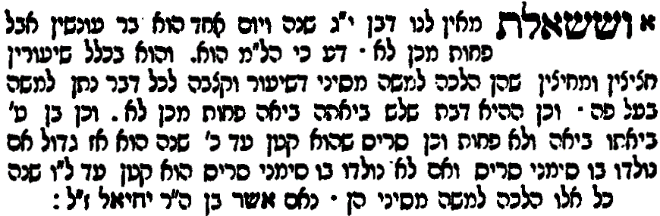
Concept 2: Indicators The Maharit, Responsa I:51, 1538-1639, explains that puberty is simply an indicator of beomcing bar/bat mitzva, but not the reason, and even without them, we assume 12/13 is the bar.
3 Rabbi Ya’akov Trump
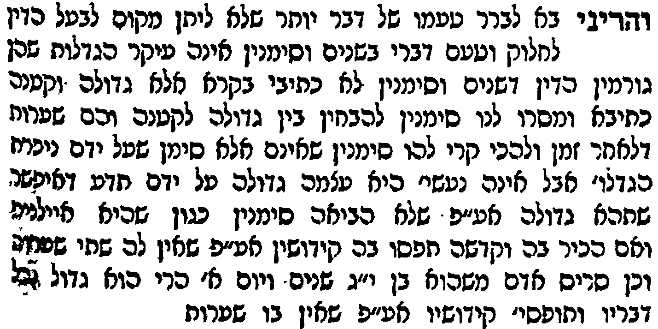
Concept 3: An Assumption The gemara, in TB Nidda 48b, explains in the words of Rava, that by 12/13 we can assume that the child has hit puberty. Puberty is what makes a child an adult and 12/13 is the average which allows us to make the assumption they have reached it. This is known as chazaka d'Rava. However, the gemara notes that it does not work for all areas of Halacha.
רבי יהודה אומר לפני הפרק ולאחר הפרק נשים בודקות אותן תוך הפרק אין נשים בודקות אותן שאין משיאין ספקות על פי נשים ר"ש אומר אף תוך הפרק נשים בודקות אותן ונאמנת
אשה להחמיר אבל לא להקל The baraita continues: Rabbi Yehuda says: Before the minimum age at which pubic hair is considered a sign, i.e., eleven years and one day, when any hair that is found is considered to be merely a mole and not a sign, and similarly after the age of majority, twelve years and one day, when a female is presumed to have grown pubic hair like most girls her age, women may examine them and their testimony is accepted. But during the time between eleven years and one day and twelve years and one day, women may not examine them. The reason is that one does not resolve cases of uncertainty based on the testimony of women. Rabbi Shimon says: Even during the time between eleven years and one day and twelve years and one day, women may examine them. And a woman is deemed credible, and her testimony is accepted, to be stringent but not to be lenient.
כיצד גדולה היא שלא תמאן קטנה היא שלא תחלוץ The baraita continues: How so, i.e., how is a woman’s testimony accepted with regard to the girl she has examined as a stringency but not a leniency? If the woman said that the girl is a female who reached majority, her claim is accepted to the extent that she does not perform refusal. The refusal of a husband, which applies in the case of a girl whose father had died and who was married off by her mother or brother, can be performed by the girl only until she reaches majority. If the woman said that this girl is a minor, her testimony is accepted to the extent that she does not perform ḥalitza.
אבל אין נאמנת לומר קטנה היא שתמאן וגדולה היא שתחלוץ The baraita concludes: But the woman who examined the girl is not deemed credible to say that she is a minor girl to the extent that she performs refusal. And likewise, the woman is not deemed credible to say that she is a female who reached majority to the extent that she
4 Rabbi Ya’akov Trump
performs ḥalitza.
אמר מר רבי יהודה אומר לפני הפרק ולאחר הפרק נשים בודקות אותן בשלמא לפני הפרק
בעי בדיקה דאי משתכחי לאחר הפרק שומא נינהו The Gemara analyzes the baraita. The Master said that Rabbi Yehuda says: Before the minimum age at which pubic hair is considered a sign, and similarly after the age of majority, women may examine them. The Gemara raises a difficulty: Granted, one can understand that before the minimum age there is a requirement for examination, so that if they find hair after the minimum age which they already saw before the minimum age, these hairs are evidently a mere mole, not a sign of maturity.
אלא לאחר הפרק למה לי בדיקה והאמר רבא קטנה שהגיעה לכלל שנותיה אינה צריכה
בדיקה חזקה הביאה סימנין כי אמר רבא חזקה למיאון אבל לחליצה בעיא בדיקה But why do I need a girl to undergo an examination after the age of majority? Didn’t Rava say: A minor girl who reached her full years, i.e., her age of majority, twelve years and one day, does not require an examination, as there is a presumption that she has developed signs indicating puberty? The Gemara explains: When Rava said that one relies on this presumption, he was referring specifically to her inability from now on to perform refusal. But with regard to ḥalitza, she requires an examination to determine that she has reached maturity.
How do we paskin? Shulchan Aruch OC 55:5 explains it is puberty which makes one an adult but we do not check, rather, we assume that reaching 12/13 is sufficient. (chazaka of Rava)
אם לא הביא שתי שערות אפילו הוא גדול בשנים דינו כקטן עד שיצאו רוב שנותיו שאז יתברר
:שהוא סריס אם נראו לו סימני סריס קודם לכן דינו כגדול
הגה ומיהו אין מדקדקין בשערות אלא כל
:]שהגיע לכלל שנותיו מחזקינן אותו כגדול ואומרים לענין זה מסתמא הביא שתי שערות [מהרי"ק שורש מ"ט
If he does not have 2 [pubic] hairs, even if he is old enough in years, his status is like a minor, until the majority of his years have gone by (ie. he becomes much older (35 and one day-M.B))... for then it is apparent that he is a saris (ie. a male with no signs of puberty). If there are signs that he
is a saris before this, he is treated as an adult. Rem"a: However, we are not particular regarding hairs; rather, all who have arrived at the required number of years, we presume that he is like an adult and we say regarding this matter, that it is probable that he has brought out two hairs [Maharik Shoresh 49].
Mishna Berura, ad loc sk 31: This assumption only works for Tefila which is a Rabbinic law but not for things which are Biblical laws. For that, verification would be needed.
ר"ל לענין תפלה שהיא מדרבנן ואפילו לדעת הפוסקים דתפלה היא דאורייתא- (לא) לענין זה עכ"פ צירוף עשרה לאו דאורייתא הוא ע"כ סמכינן ע"ז ואמרינן כיון שבא לכלל שנותיו מסתמא
הביא שתי שערות דרוב אנשים מכיון שהגיעו לכלל שנים מסתמא מביאין ב' שערות אבל לענין שאר חיובא דאורייתא אינו מועיל [ועיין בפמ"ג שמאריך בזה ומסיק דמשום דהוא מיעוט המצוי
:]ע"כ החמירו מדרבנן לענין דאורייתא כמו לענין בדיקת הריאה
5 Rabbi Ya’akov Trump
Yalkut Yosef, Chinuch Katan, page 251, explains that this is why some communities are careful not to let a bar mitzva boy read the maftir of Zachor or Para.
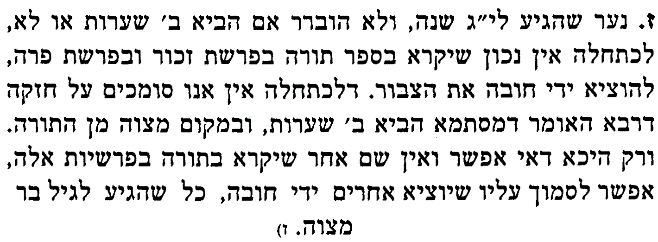
Why is it not a little more explicit in the Torah?
The Chasam Sofer, Bereishis 50:23, explains that the Torah does not emphasize Shavuos being the day we need to celebrate receiving the Torah, because the Torah does not impose the mitzva of happiness of being obligated upon us. That should be the natural outcome. That is why there is no mitzva of Bar or Bat Mitzva in the Torah.
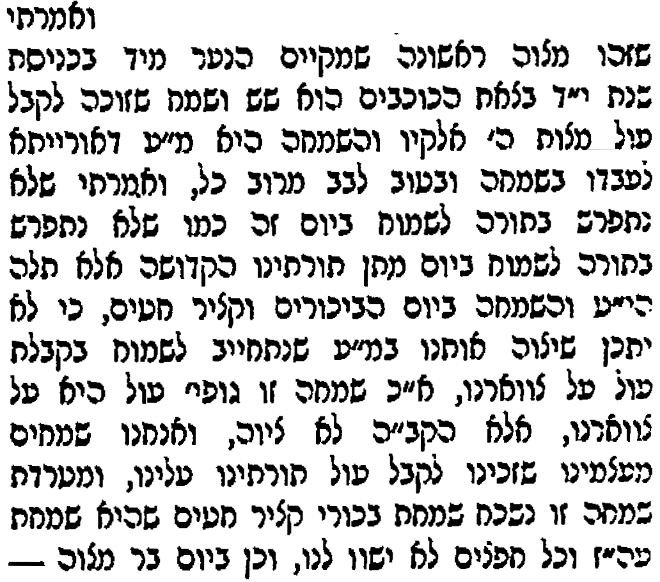
Why is this a day of celebration?
The Divrei Malkiel, I:3, explains that there are 2 components worth celebrating here. One is the parents are no longer liable for punishment. The other is that this child is now personally obligated in mitzvos themselves.
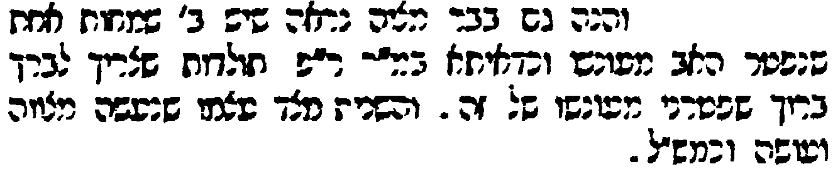
The gemara, TB Bava Kamma 87a, recounts the story of Rav Yosef, who was blind. He believed he was exempt from mitzvos. When he learned he was
6 Rabbi Ya’akov Trump
really obligated, he made a party in celebration because he could now receive reward for doing those mitzvos.
ןמט ּור ִפּא ָָמר: סֹוֹו ֵֵמַאָדּה – ְדה ּו ָיי ְבִּרַכּה ְכָלר ֲה ָמַאָדּאן ְמא: ַני ָָמֵֵאה ָויׁשׁש ֲה ָרֵֵמף, ֵֵסב יֹוֹו ֵרר ַמַאָ
.ֹוֹותצְְמא ִני ָָדְבֵעא ָקָוא, ְנָָדְקַּפַּמא ִלָדּא? ְמָעְטאי ַמן, ַנַבָּרַלא ְבָטא ָמא יֹוֹו ָני ָָדְבֵעא ָקֹוֹות, ָצְְמִּהַ Rav Yosef, who was blind, said: At first, I would say: If I hear one who says that the halakha is in accordance with the opinion of Rabbi Yehuda, who says: A blind person is exempt from the mitzvot, then I will host a festive day for the Sages. What is the reason? It is that I am not commanded and nevertheless I perform mitzvot.
וינ ֹֹאי ֶׁש ֵמִּמשה – ִׂעֹוֹו ֶוֶּוה ְצֻמְהדֹוֹול ַגּא: ָני ָָני ֲחֲח ִבִּרר ַמַאָדּא, ְני ָָני ֲחֲח ִבִּרַדּא ְהָלית ְעִמַשְׁדּא ִתָּשְׁהַוְ ?אמָעְטאי ַמן. ַנַבָּרַלא ְבָטא ָמא יֹוֹו ָנָָדי ְבֵעה, ָדה ּו ָיי ְבִּרַכּה ְכָלין ֲה ָאי: ֵלר ִמַאָדּאן ְמשה; ַׂעֹוֹו ֶוֶּוה ְצֻמְ
.יפֵטא ְרָגְְאי ַלית ִאא – ִני ָָדְקַּפַּמי ִכִדְּ Rav Yosef continues. But now that I heard this statement of Rabbi Ḥanina, as Rabbi Ḥanina says: One who is commanded and performs a mitzva is greater than one who is not commanded and performs it, I say: If I hear one who says to me that the halakha is not in accordance with the opinion of Rabbi Yehuda, then I will host a festive day for the Sages. What is the reason? It is that as I am commanded, I have more reward.
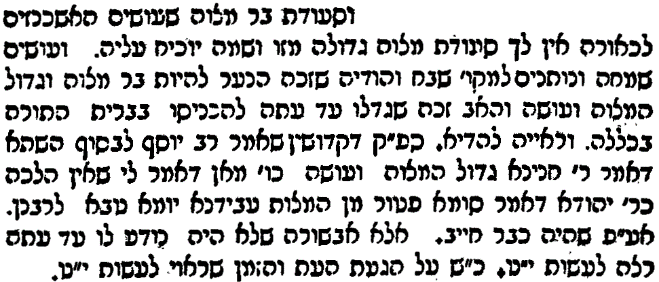
The Maharshal, Yam Shel Shlomo ad loc Bava Kama 7:37 explains that this is the source for the party of a Bar Mitzva.
What should one do on the Bar Mitzva?
The Maharil, Hilchos Krias HaTorah 5, explains that a boy who becomes bar mitzva, should read the Torah, say the brachos on the Torah and his father should say the bracha of Baruch Shepotrani.

The book of Minhagim of Worms, siman 289, recounts that the first Shabbos after the bar mitzva, the boy would lead the davening, and sing the introduction to the reading of the Torah, and read the Torah.

7 Rabbi Ya’akov Trump
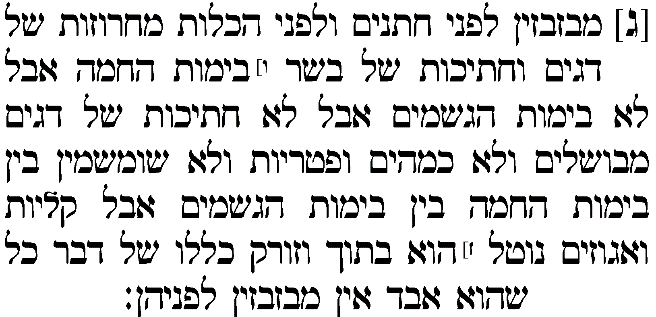
The braisa in Smachos 8:3 goes on to talk about the custom to throw throwing nuts and sweet things as part of the simcha.
What about the celebration of the girls?
There are those who are strongly opposed to the celebration of the Bat Mitzva as it’s own celebration. Others explain that it is important for both girls and boys to celebrate the bar and bat mitzva, however the bat mitzva should not be celebrated in the shul sanctuary itself. Today there are poskim who talk about the importance of making a party and celebrating this moment in the same way one celebrates with a boy.
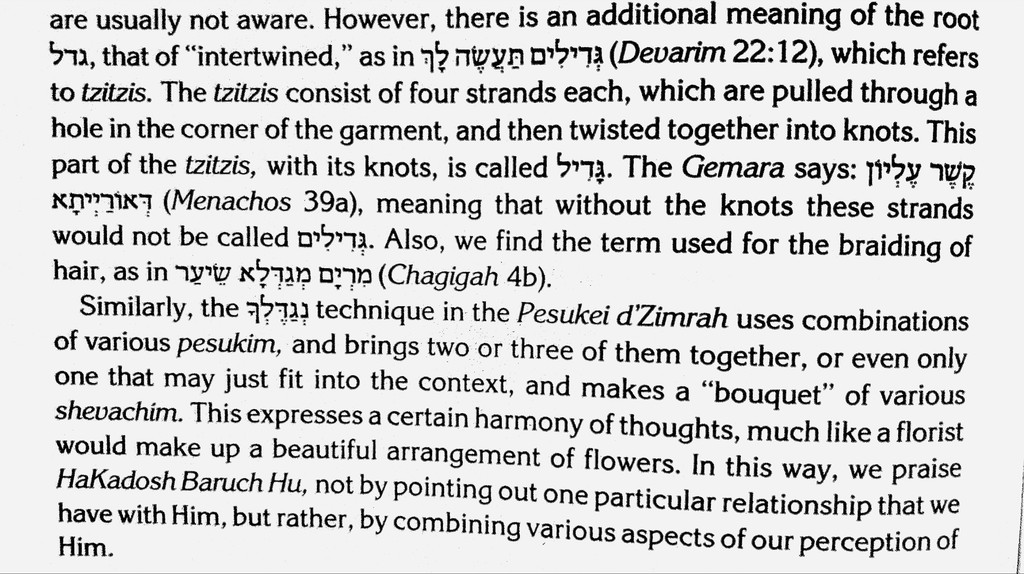
What does it mean to become a gadol?
סידור אשכנז, ימי חול, תפילת שחרית, פסוקי דזמרה, ברוך שאמר ב׳
ךָ ילִמְנַו ְךָמְשׁיר ִכִּזְנַו ְךָרֶא ְפָָנ ּו ְךֲחֲח ָבֵּשַׁנ ּו ְךָלֶּד ְגַנירֹוֹות ְמִזְבחֹוֹות ּו ִבָשְׁבּהינ ּו ִֵה ֱא ֹל ֽוֹה ָי ְךָלֶּל ְהַנ(ב) [...] ְכְ֒ ךה ֶֽמ ֶל ְוֹה ָיה ְתָּא ַךר ּו ְבּדֹוֹול. ָגָּהמֹוֹו ַשׁד ְעי־ ַדר ֲע ֵאֹפ ָמח ּו ְבָּשֻׁמ ְךים. ֶֽמ ֶל ְמִלעֹוֹו ָהי ָחיד ֵחִיהינ ּו. ֵָכנ ּו ֱא ֹל ֵּֽֽלְמַ
:חֹוֹותבָּשְׁתִּבּל ַלָּהֻמְ
Siddur Ashkenaz, Weekday, Shacharit, Pesukei Dezimra, Barukh She'amar 2
(2) [...] We will extoll You, Adonoy our God, with praises and with psalms; we will exalt, praise, and glorify You; we will mention Your Name, and proclaim You—our King, our God. Unique One, Life of the worlds, King, praised and glorified forever is His great Name. Blessed are You, Adonoy, King, Who is extolled with praises.
8 Rabbi Ya’akov Trump
י״א-שמות ב׳:י׳
תה ּו׃ִי ֽשִׁמִים ְהן־ ַמא ֶמר י ִומ ֹמ ה ַשׁא ְקְְתִּון ַלּה ְ י־הִיו ְַה ֽרְפּת־ ַבַלה ְבִתְּוֶלד ַהל ַגְְיִּו(י) ַמַּ֖כִּ֥ תֹּ֕ שֶׁ֔ וֹ֙רָ֤בֵ֑לָ֖ עֹ֔ וּ֙אֵ֙ יֶּ֗דַּ֣ יבְעיׁשׁש־ ִאה ִמי ַצְְמ יׁשׁש ִרְיַּוֹל ם ַבְסִבּא ְרְוא ֶאל־ ֶא יו ַיֵּול ֹמ ֶׁש ַגְְיִּום ַהים ָיָּבּי ׀ ַיְו(יא) ַרִ֖ כֶּ֥רִ֔אִ֣ א֙תָ֑יַּ֖חָ֔צֵ֣ ה֙דַּ֤הֵ֗מִ֣הִ֣
חיו׃ֶָא ֽמֵֵ
Exodus 2:10-11
(10) When the child grew up, she brought him to Pharaoh’s daughter, who made him her son. She named him Moses, explaining, “I drew him out of the water.” (11) Some time after that, when Moses had grown up, he went out to his kinsfolk and witnessed their labors. He saw an Egyptian beating a Hebrew, one of his kinsmen.
רמב"ן על שמות ב׳:י״א:א׳
,)(א) ויגדל משה ויצא אל אחיו שגדל והיה לאיש. כי מתחלה אמר ויגדל הילד (שמות ב׳:י׳ שגדל עד שלא היה צריך לגמלה אותו, ואז הביאתהו לבת פרעה ויהי לה לבן כי לפני מלכים
:יתיצב, ואחרי כן גדל ויהי לאיש דעת
Ramban on Exodus 2:11:1
(1) AND WHEN MOSES WAS GROWN UP HE WENT OUT UNTO HIS BRETHREN. This is to be understood that he grew to manhood. It has already been said, And the child grew, which means that it was no longer necessary to wean him, and then the mother brought him to Pharaoh’s daughter, and he
9 Rabbi Ya’akov Trump
became her son, for he was to stand in the presence of kings. (See Proverbs 22:29) After that, he grew to manhood in maturity of mind.
שמות רבה א׳:כ״ז
ם ּובֹוֹו ֶכהתלֹוֹו ָבְסִבּה רֹוֹו ֶאה ְיָהא, ֶׁש ָרְיַּוה ּו ַמם. ַתֹל ָבְסִבּא ְרְיַּול מ ֶׁשה, [...] ַדַּגְְיִּום ַהֵהים ָמִיָּבּי ַהִיְו(כז) ַ
ןתה נֹוֹו ֵיָהָויט, ְטִּהֶלא ֶכת ַמְּמה ִשָׁקה ָכא ָלָמ ְךָלין ְאי ֶכם, ֶׁש ֵלי ֲע ֵתן מֹוֹו ִתּי ִי ֵמי ֶכם ִלי ֲע ֵלל ִבר, ֲחֲח ָמאֹוֹו ֵֵוְ
.ֶהןמד ֵֵחֶא ָוד ְחל ֶא ָכָל ְעַיֵּסַמיו ּו ְפָָתֵכְּ
ּשֹוֹויֹׂמדֹוֹול, ּו ַגּל ָען ַטָקּשֹוֹוי ָֹׂמן ּו ַטָקל ָעדֹוֹול ַגּשֹוֹוי ָֹׂמה ַאָרר ָמי אֹוֹו ֵֵלי ִלִגְְּהי ַסי יֹוֹו ֵבִּרנֹוֹו ֶׁשל ַבּר ְזָעָלי ֶא ְבִּרַ
גֹוֹוןרָדּ ְחי ַנִּמה ַיָהָון. ְקֵזל ָעח ּור ַבּּשֹוֹוי ָֹׂמח ּור ּו ַבּל ָען ַקֵזּשֹוֹוי ָֹׂמיׁשׁש, ּו ַאל ִעה ַשָּׁאּשֹוֹוי ִֹׂמה ּו ַשָּׁאל ִעיׁשׁש ַאִ התָּא ה ּוא ַךר ּו ְבּדֹוֹוׁשׁש ָקָּהר ַמַאֹעה. ָרְפַל ְעַיֵּסַמּל ּו ְאִכּשה ְׂעֹוֹו ֶוי ֶהם, ְתלֹוֹו ֵבְסֶהם ִלב ָשֵּׁיַמ ּו ְךְלהֹוֹו ֵוֶׁש ּלֹוֹו ְ יםניֹוֹו ִלֶעֶע ְה ֶאת ָחי ַנִּמי ַנים, ֲא ִחִאג ַהַנְמֶהן ִבּ ָתָּגְְהַנָָול, ְאֵרָשׂן ֶׁשל ִי ְרֲע ָצַבּאֹוֹות ְרְל ִתָּכְלַַהָו ְךֶקי ָס ֲע ָתָּחְנַּהִ
האָראֹוֹות, ָרְלר ִסי ָכּא ה' ִרְיַּויב (שמות ג, ד): ַתִכְדא ה ּוא ִד, ֲה ָךָמְּער ִבֵּדֲא ַוים, ַנּתֹוֹו ִחְתַּהֶאת ַוְ יולָאא ֵרָקְְיִּו (שמות ג, ד): ַךְכי ָפִלם, ְתלֹוֹו ָבְסִבּאֹוֹות ְרְליו ִקָסֲע ָמר ֵֵסּמ ֶׁשה ֶׁש ָבּ ה ּוא ְךר ּו ְבּדֹוֹוׁשׁש ָקָּהַ
.ֶנהסְּה ַךּתֹוֹו ְמים ִהֱא ֹל ִ
Shemot Rabbah 1:27
(27) “It was in those days, Moses grew and went out to his brethren, and he saw their burdens; he saw an Egyptian man beating a Hebrew man of his brethren” (Exodus 2:11). [...] “He saw their burdens.” What is “he saw”? He would see their burdens and cry and say: ‘Woe is me over you; would that I could die for you. There is no labor more arduous than labor with mortar.’ He would shoulder [the burdens] and help each and every one of them. Rabbi Elazar son of Rabbi Yosei HaGelili says: He saw a large burden on a small man and a small burden on a large man; the burden of a man on a woman and the burden of a woman on a man; the burden of an elderly man on a lad and the burden of a lad on an elderly man. He would leave his royal guard and would arrange their burdens, feigning as though he was helping Pharaoh. The Holy One blessed be He said: ‘You left your affairs and went to observe the Israelite’s suffering, and you treated them in a brotherly manner; I will leave the upper and lower worlds to speak with you.’ That is what is written: “The Lord saw that he had turned to see” (Exodus 3:4); the Holy One blessed be He saw that he turned from his affairs to see their burdens; therefore, “God called to him from the midst of the bush” (ibid.).
10 Rabbi Ya’akov Trump