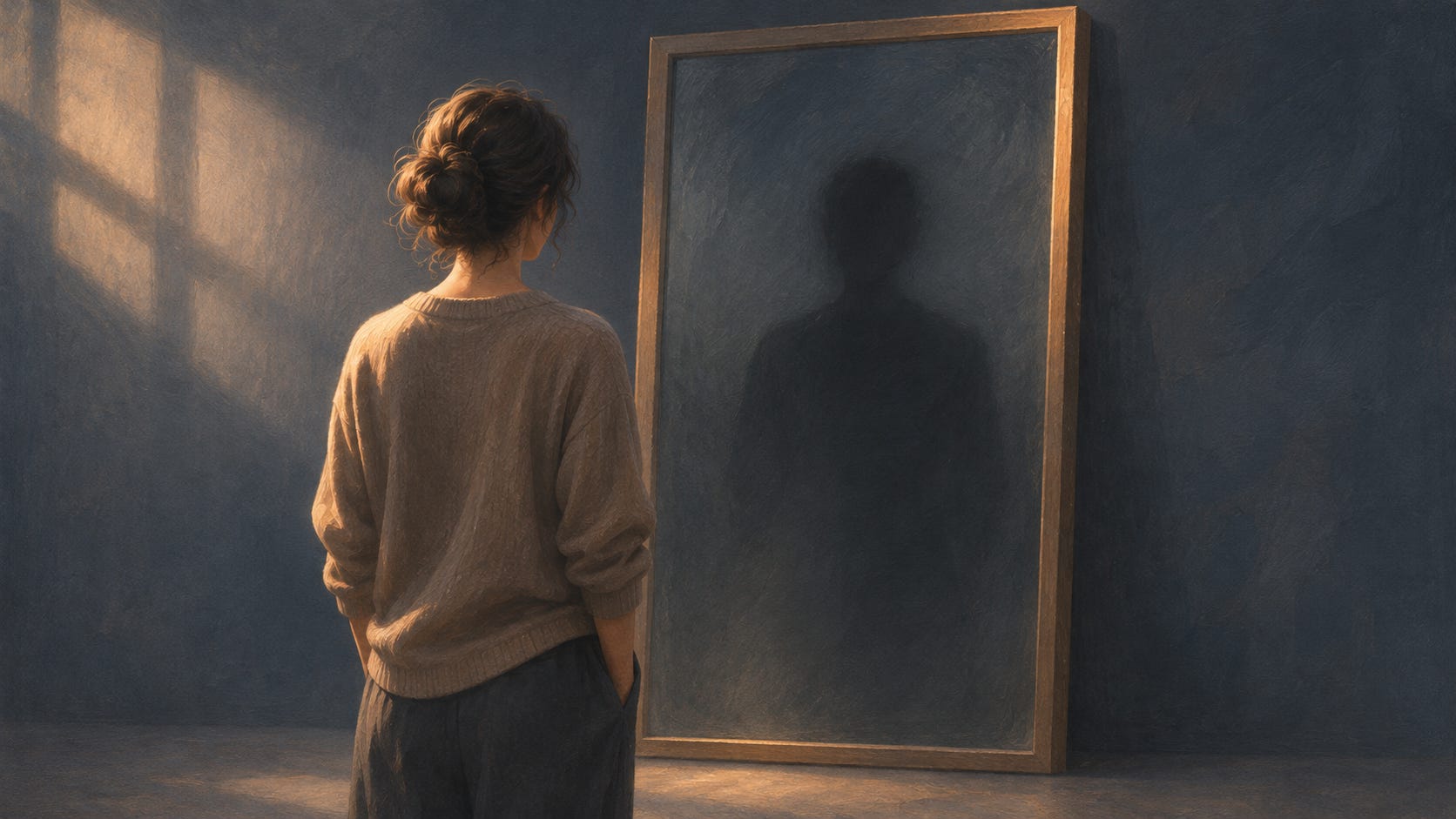
Why is it me? Why am I here?
That sounds like a 21st century question. It sounds like the product of an overstimulated, hyper-individualist, self-focused and lonely society.
Yet this question is asked one time in Tanach. The person who asked this question was experiencing a number of challenges in life (Bereishis 25:22). It was our matriarch Rivka during her complicated pregnancy. One life challenge does not necessarily produce such an existential question. But this pregnancy comes after a series of disappointments in Rivka’s life.
The Outsider
She came from a complicated family. She was born to Besuel and was the sister of Lavan. The verses in the Parsha do no sugar-coat her lineage. Instead, they emphasize it (Bereishis 25:20). Our sages teach us that her father tried to poison Avraham’s servant when he came for her. Her brother would later become known for his deceit. Her background was far from that of Avraham’s household. She entered this marriage at a disadvantage.
Perhaps, she thought, her role would be to carry forward the line of Avraham. Yet for twenty years she had no children. When she finally conceived, something seemed terribly wrong with the pregnancy.
That is when she asks: Lamah zeh anochi – why is it me? I lack the lineage. I could not have children, and now that I am expecting, something is off. What is my role? Why am I here?
Many of us ask the same question during those dark nights of the soul. Am I doing what I am meant to do? Does my role matter? Am I contributing anything to the people around me which makes my life worthwhile?
The Insider
Ironically, I believe that the rest of the parsha answers her question.
Yitzchak cannot see the danger in his older son. He is ready to give Esav the blessing and the future. It takes Rivka to recognize that Esav is not who he appears to be.
Why could Rivka see what her husband could not? It is precisely because of the very home she came from. She grew up with a brother who could not be trusted and a father who served only himself. That home taught her to question motives and look past appearances. Yitzchak, raised in a home of integrity, could not imagine such deception. Rivka could.
Her question is answered by her own story. She is here because of who she is. Her complicated past prepared her to protect the future. What was her baggage became her blessing.
Our Challenges, Our Gifts
Often, our greatest contributions in life come not from the gifts we receive but from the challenges we inherit. Those challenges become the seed of a perspective no one else can offer.
Many of us are like Rivka. The task is not to question our place. It is to discover what our challenges have given us and figure out how to use our unique experiences to make the world around us the best place it can be.