For the last week and a half, I have been troubled by the attempted assassination of President Trump.
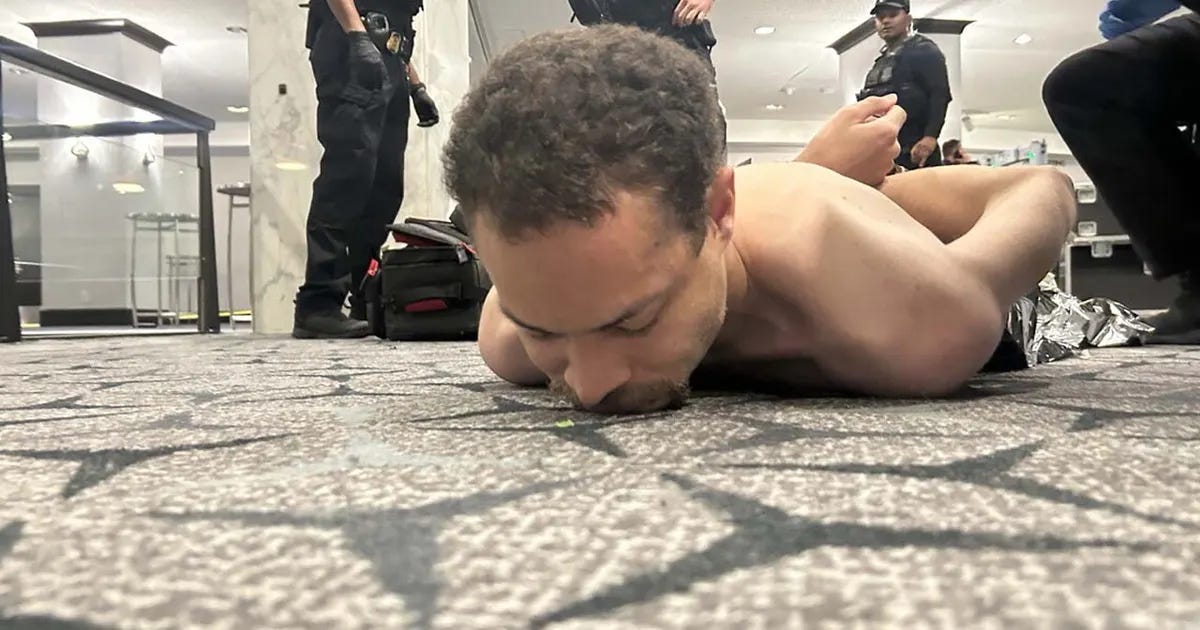
The details are still unfolding, and any decent person should be careful before drawing conclusions too quickly. But the broad outline is frightening enough. The accused individual, Cole Tomas Allen, has been described in reporting as educated, technically trained, a part time teacher, and involved in software or game development. Reuters reported that he was a Caltech graduate, a part time teacher and game developer, and that authorities had not yet established a motive. AP reported that he was arrested after trying to get past a security checkpoint with firearms and knives. (Reuters)
That is what makes this so unsettling. We are not speaking about someone who seems, at least from public reporting, to have been driven by obvious desperation or poverty. We are speaking about a person with education, employment, and skill. And yet, according to the charges, he turned toward the unthinkable.
What leads a person to such a corrupt and destructive place?
My thoughts turned to Lag BaOmer.
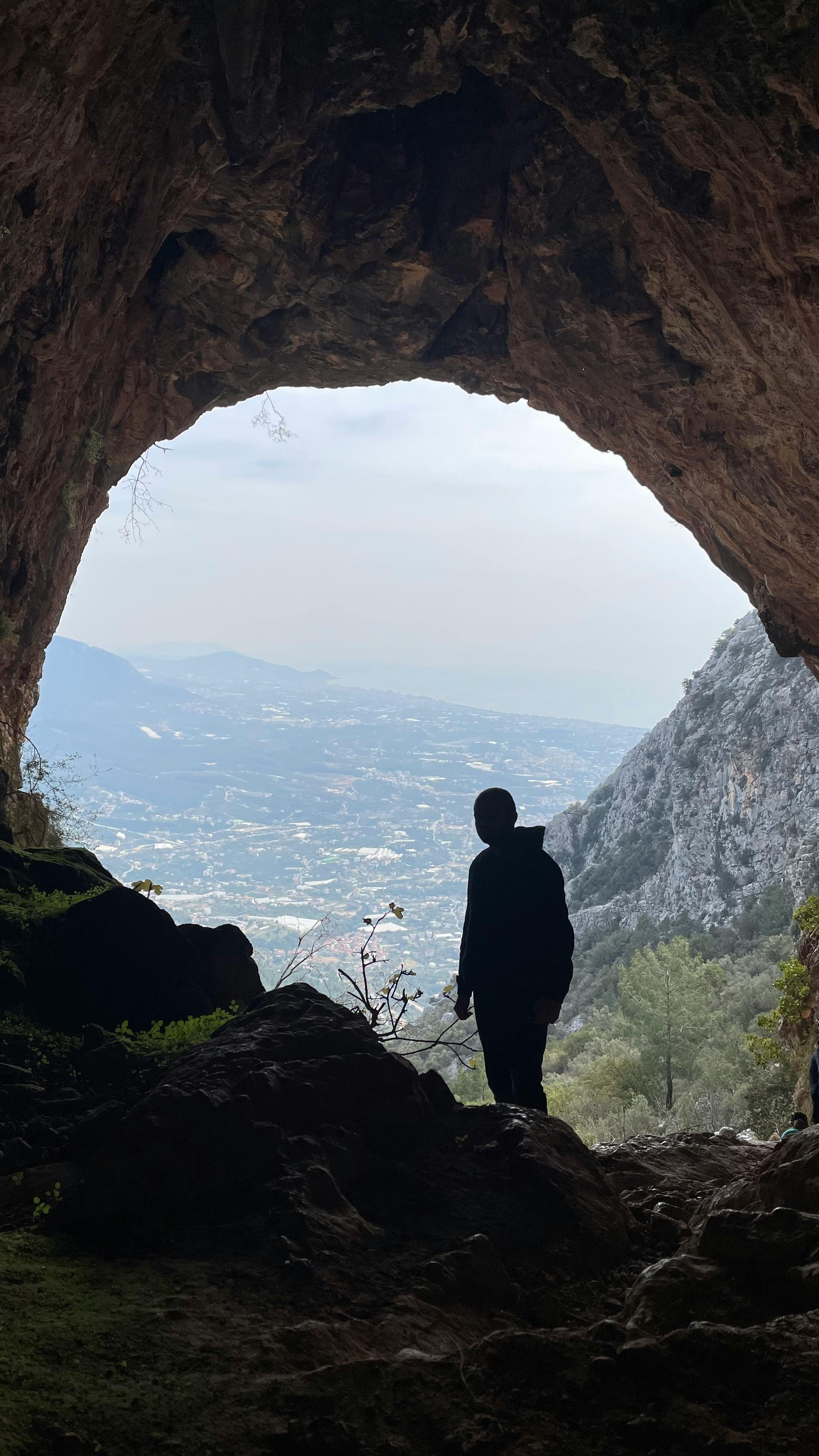
One of the reasons Lag BaOmer is associated with celebration is its connection to the Jewish sage Rabbi Shimon bar Yochai. The Gemara in Shabbos 33b tells the famous story of Rabbi Shimon, his son Rabbi Elazar, and the cave. The story begins with a conversation about Rome. Rabbi Yehuda praises the Romans for building marketplaces, bridges, and bathhouses. Rabbi Yossi remains silent. Rabbi Shimon rejects the praise and says that whatever the Romans built, they built for their own benefit. When the conversation is reported to the authorities, Rabbi Yehuda is honored, Rabbi Yossi is exiled, and Rabbi Shimon is sentenced to death. Rabbi Shimon flees and eventually hides with his son, Rabbi Elazar, in a cave.
For twelve years they live in isolation, immersed in Torah and removed from ordinary life. When they finally emerge, they see Jews plowing and planting. To them, it is intolerable. How could people occupy themselves with mundane labor when they could be immersed in eternal spiritual pursuits? Wherever they look, the Gemara says, their gaze destroys. A heavenly voice sends them back to the cave, asking whether they came out to destroy God’s world. After another 12 months they emerge again. Although Rabbi Elazar still burns all he sees with his eyes, Rabbi Shimon his father heals all he burns. Then they see a fellow running with 2 myrtle branches on erev Shabbos. When questioned, he explains that he was doing so to honor Shabbos. Rabbi Shimon turned to his son and reflects on the dearness Jews have for Shabbos. This comment settles the mind of Rabbi Elazar and he no longer continues burning the world around them with his eyes.
This story has profound implications for our lives.
The cave gave them depth, but it also distorted them. It gave them intensity, but not integration. It gave them truth, but not proportion.
When a person is alone with an idea, even a profound and truthful idea, that idea can become dangerous. It can lose contact with the complexity of life. The distance between the ideal world and the actual world can become unbearable. When there is no human being nearby to temper the thought, to challenge the conclusion, to ask a simple question, the mind can turn a partial truth into a total worldview.
That is one of the great dangers of our age. We have many caves today.
Some are political caves. Some are media caves. Some are social media caves. Some are ideological caves. A person can sit alone for months, hearing only one framing of reality, one set of grievances, one interpretation of events, one explanation of who is evil and who is righteous.
The modern media world does not merely broadcast. It narrowcasts. It knows its audience. It knows what will hold attention. It knows what outrage will bring people back tomorrow. One part of the country watches one reality. Another part watches another reality. Each side can come to believe that the other side is not merely wrong, but existentially evil.
That is how a person can become educated and still become foolish. In fact, education can sometimes make the problem worse. An intelligent person can build more sophisticated arguments around a distorted premise. A trained mind can rationalize what a simpler mind might never dare to justify.
The Gemara’s solution is not that Rabbi Shimon and Rabbi Elazar needed less Torah. They needed reentry. They needed contact with people. They needed to see the ordinary Jew running before Shabbos with two myrtle branches in honor of Shabbos. Rabbi Shimon turns to his son and says, “See how beloved the mitzvos are to Israel.” Only then does the Gemara say their minds were settled.
That is a remarkable ending. Rabbi Elazar is not calmed by an argument. He is calmed by a person and a conversation. He is restored by seeing the goodness inside ordinary life.
There is also a warning here about AI. AI can be useful. But AI is not a friend. It is not a rebbe. It is not a spouse. It is not a chavrusa. It does not love you enough to save you from yourself. Often, unless used carefully, it can deepen the cave. It can give a person five more reasons to believe what he already believes. It can polish anger into an essay, dress resentment in intellectual language, and make confirmation bias feel like research.
What people need is not only information. They need relationships.
They need someone close enough and honest enough to say, “Maybe you are seeing this too sharply.” “Maybe the world is not as dark as you think.” “Maybe your pain is real, but your conclusion is wrong.” “Maybe you need to turn this down.”
Sometimes we are Rabbi Elazar. We are consumed by an idea that may contain truth, but has become too total, too severe, too disconnected from human reality. We need to speak to others to temper the idea.
And sometimes we must be Rabbi Shimon. We must notice the people around us who are disappearing into caves. People can be alone while married. Alone while surrounded by coworkers. Alone while posting constantly. Alone while speaking to machines all day. Alone while becoming more and more certain that the world is intolerable.
The story of Lag BaOmer is not only a story of fire and mysticism. It is a story of return. Return from isolation. Return from extremism. Return from a truth that burns to a truth that heals.
In a lonely and angry society, we need fewer caves and more conversations. We need fewer echo chambers and more honest friendships. We need fewer ideas that incinerate the world and more relationships that help people see the dignity still present inside it.
That may be one of the deepest lessons of Rabbi Shimon bar Yochai. The task is to become the kind of person whose truth does not burn God’s world, but helps repair it.